
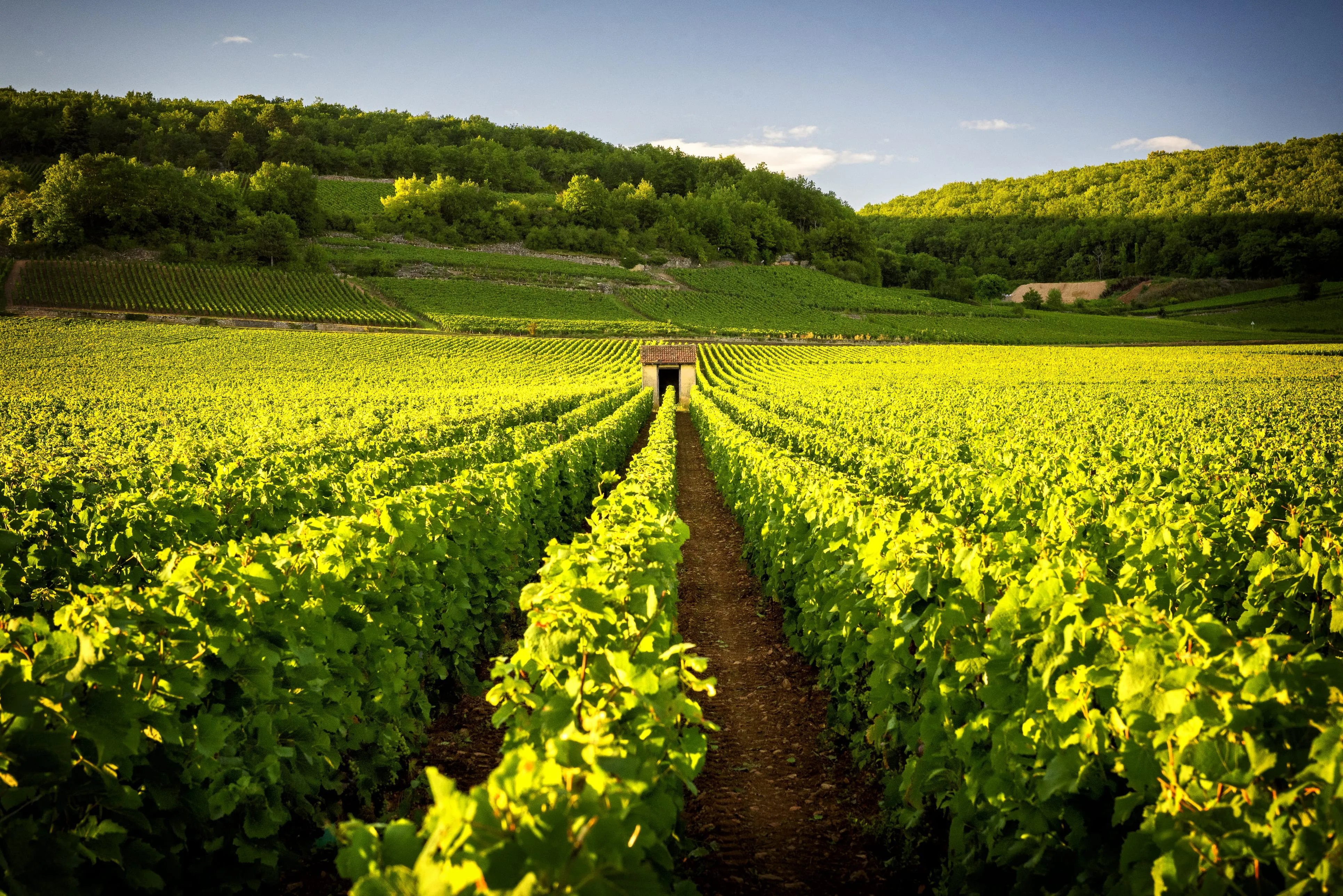
A wine valuation tells you what your bottles would realistically sell for today. At Wines Premier Cru, a fine wine valuation is free: you send your list, we price every line against current market data, and a member of the team talks you through the figures. You then decide whether to sell all, part or none.
- Free online wine valuation, with no obligation to sell
- Every line priced at its realistic sale value, not a retail list price
- Usually a call booked within one working day
- Single bottles and cases through to whole cellars
What is a wine valuation?
A wine valuation is a professional estimate of what a wine, or a collection of wines, would sell for in the current market. Fine wine prices move with global demand, so the valuation of wine is always a snapshot: what a buyer would realistically pay today, after accounting for each bottle's condition, format and storage.
It is not the price you paid, the price a retailer lists or the figure on an insurance schedule. A good wine valuer looks at real trading prices for every line, then adjusts for the details buyers care about. That is what our team has done every day for private clients since 2008.
How our free wine valuation works
Our wine valuation service is deliberately simple. You don't need to bring your wine anywhere, and you don't need to know what it is worth before you start.
- 01Send us your listUpload a spreadsheet, PDF, merchant statement or photos of your labels. Any format is fine.
- 02We value every lineEach wine is priced against live market data and adjusted for vintage, format, condition and storage.
- 03We talk you through itA member of the team calls to explain the figures, usually within one working day.
- 04You decideSell everything, sell part or keep it all. The valuation is yours, with no obligation.

Online wine valuation: what to send us
The whole valuation can happen online. The more detail you include, the more precise your figures will be - but a rough list is always a good place to start.
What affects the value of your wine?
Two bottles with the same label can be valued very differently. These are the factors every fine wine valuation takes into account.

Market valuations vs insurance valuations
Not every wine valuation answers the same question, so it helps to know which one you need.
Vintage and rare wine valuations
Older and rarer bottles need a closer look. With vintage wine, condition can matter as much as the label: a well-stored bottle with a good fill level can be worth considerably more than the same wine kept at home for decades.
For rare wine valuations we look at recent trading for the specific wine and vintage, alongside the bottle's condition and provenance. If you are not sure what you have - perhaps an inherited cellar or bottles bought many years ago - photos of the labels are enough for us to start.
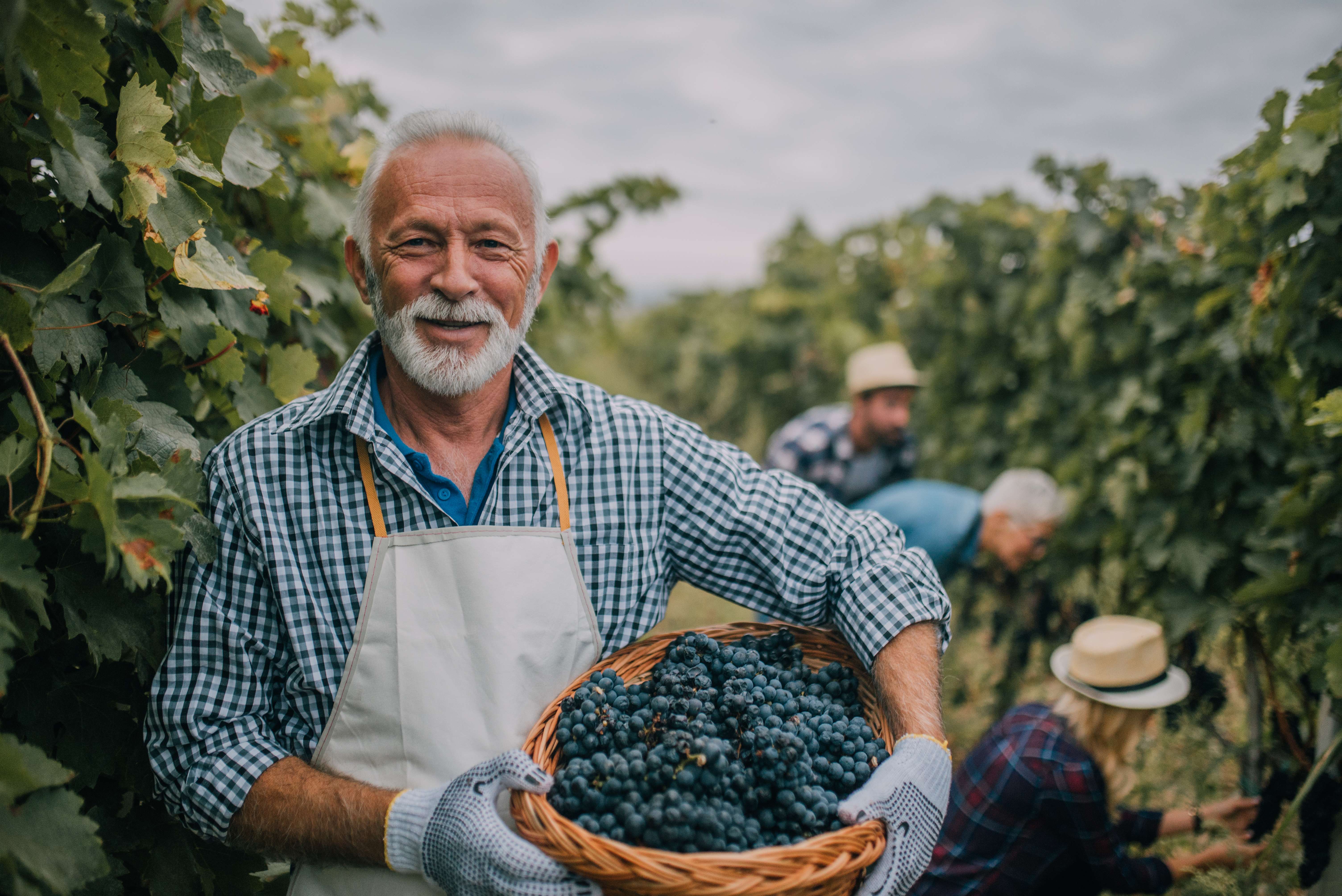
Wine cellar valuations
Whether you have a few mixed cases or a cellar built over decades, we can value the whole collection in one go. A full wine cellar valuation gives you a line-by-line breakdown and a total, so you can see which wines carry most of the value and decide what, if anything, to sell. Many clients use it to plan: selling wines at their peak and keeping those still maturing.
Please note that we purchase wine held in bond. If your wine is stored at home or in a private cellar, let us know when you get in touch and we will explain your options.
Wine valuation sites vs a specialist wine valuer
Wine valuation websites and price search tools are a useful starting point, but they usually show retail list prices - what merchants are asking, not what a buyer will pay you. Here is how they compare.
| SpecialistWines Premier Cru | Wine price websites | |
|---|---|---|
| Price shown | Realistic sale value for your bottles | Retail asking prices |
| Condition and storage | Taken into account | Not considered |
| Format and case | Adjusted line by line | Often averaged |
| Expert advice | A member of the team talks you through it | None |
| Route to sale | Global buyers across 18 markets | You find a buyer yourself |
Wine valuations in London, the UK and worldwide
We are fine wine merchants based in London, valuing private collections since 2008. Because the process is online, location is no barrier: clients across the UK, Europe, Asia and Australia use the same free wine valuation service, and our buyer network spans 18 global markets.
Wine valuation questions answered
Yes. Our wine valuations are free of charge and carry no obligation to sell. Many clients use one simply to understand what their collection is worth.
Most clients have a call booked within one working day of sending their list. Larger cellars can take a little longer, and we will tell you when to expect your figures.
Yes. The whole process happens online or by phone. Send your list or label photos through our valuation form and we will do the rest.
Start with the producer, wine name, vintage and bottle size. Price tools give a rough guide, but condition, storage and format all change the figure, which is why an expert valuation is more reliable.
A market valuation is our best estimate of what your wine would sell for today. If you decide to sell, we confirm an agreed price with you before anything happens.
Yes. We value everything from a single bottle or case through to a whole cellar.
The producer, wine name, vintage, bottle size and quantity for each line, plus where the wine is stored. Invoices and label photos help, but a simple list is enough to start.
No. Valuations are done from your list and photos, so your wine stays where it is. Nothing moves unless you decide to sell and agree terms with us.
Fine wine prices move with global demand, so a valuation is a snapshot. Many clients ask for an update every year or two, or before deciding whether to sell.
Yes. Inherited cellars often come with little paperwork. Send us photos of the labels and any records you have, and a member of the team will help identify each wine and its value.
A member of the team talks you through the figures and answers any questions. If you would like to sell, we agree a price with you before anything happens. If not, the valuation is yours to keep.